Autumn
School on Chemoinformatics in Tokyo, 2011
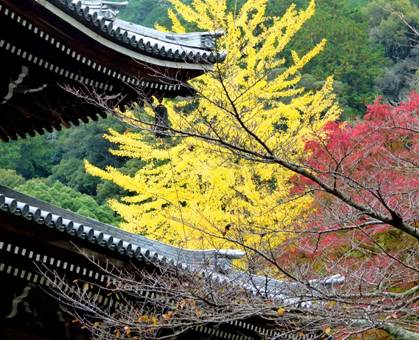
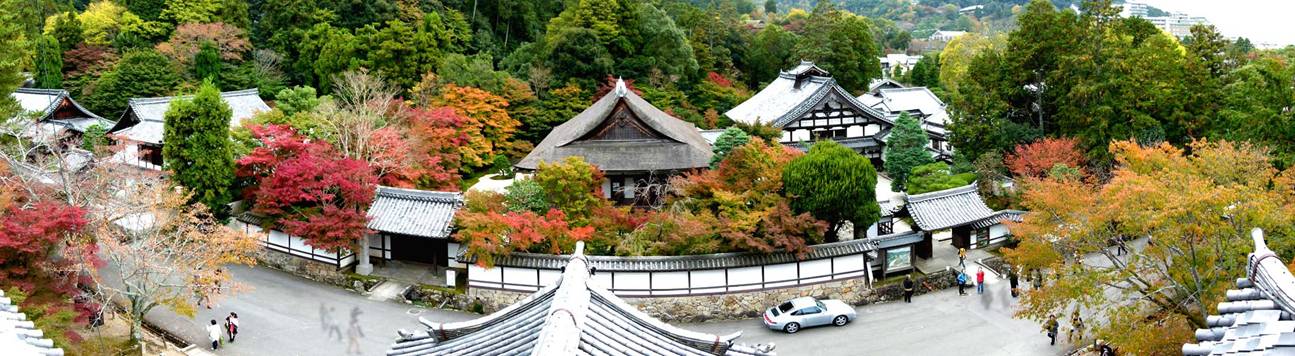
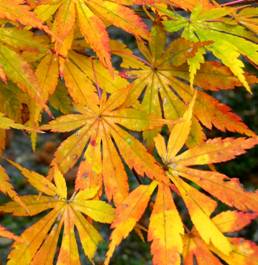
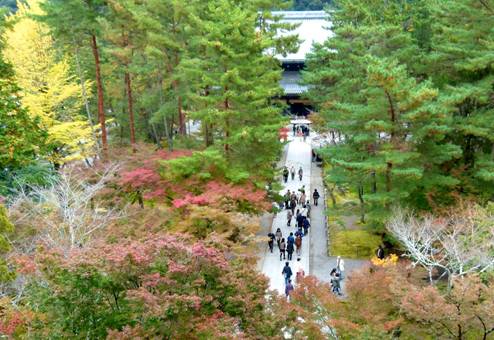
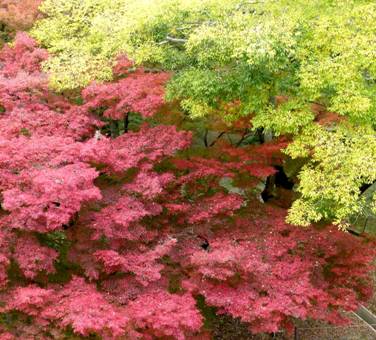
Momijigari in Kyoto - Nanzen-ji Temple
18 November 2011
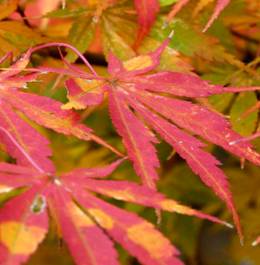
From Wikipedia: Momijigari, from the
Japanese momiji, "red leaves" or
"maple tree" and kari,
"hunting", is the Japanese tradition of going to visit scenic areas
where leaves have turned red in the autumn.
From Wikipedia: Nanzen-ji
is one of the
big Zen temples in Kyoto. The temple
once was the highest ranked Zen temple in Japan and is also famous for its
garden. The temple dates back to year 1264. Main buildings were lost by fire
and rebuilt in 1393 and 1447. In the
year 1467, again all of the buildings were
reduced to ashes by fires of war and they have been
rebuilt 1605. See also.

Steep stairs
guide to the verandah of the San-mon gate,
the main gate of Nanzen-ji.
A san-mon is the most important gate of a Japanese Zen
Buddhist temple

Thanks to Etsuko
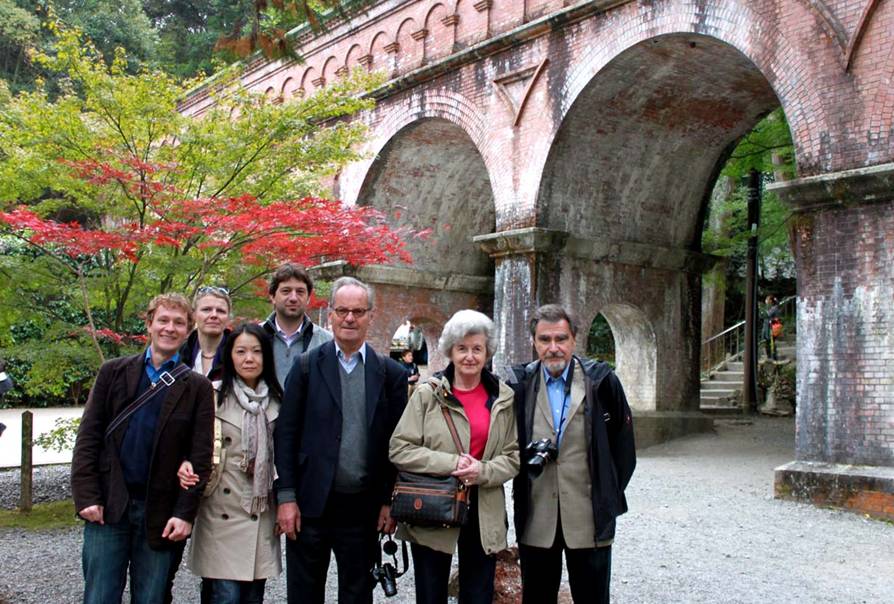
and J.B. Brown for providing
this picture
In front of the aqueduct for the Lake Biwa
Canal. This waterway was built during the Meiji
Period to transport water, freight, and passengers from Lake Biwa to the nearby
City of Kyoto. Nowadays it is used for water supply, fire-fighting and irrigation
purposes.
Version 111213, Kurt Varmuza, Vienna, Austria
(C)